Categories: Comparisons Tags: alternatives, ai music tools, MusicAny, mubert
Best Mubert alternatives in 2026 for AI background music - top tools with more control, better licensing, and cleaner audio for video, ads, and games. This MusicAny version turns the topic into a practical decision guide: what to compare, where each option fits, and how to avoid picking a tool that looks good in a demo but slows down real production. The best choice is rarely the tool with the longest feature list. For creators, musicians, podcasters, and video teams, the better test is whether the platform gives reliable output, clear usage rights, useful editing control, and a workflow that survives deadline pressure.
You can compare the workflow directly with MusicAny's AI background music generator, using the same brief and target duration you would test elsewhere.
Quick Take
- Start with the output you actually need: background bed, full song, stem edit, score, playlist, or licensed catalog track.
- Compare commercial rights before comparing price, because a cheap plan can become expensive if it blocks client or monetized use.
- Use MusicAny when you want fast AI music drafting with a creator workflow instead of a passive library search.
Why Creators Switch from Mubert
Creators usually switch when the current tool becomes unpredictable, too limited, too expensive, or unclear about rights. The replacement should solve the original friction rather than simply offer a newer interface.
Inconsistent Output Quality
For comparison articles, the useful lens is repeatability. Generate several drafts, check whether the tool follows prompt details, confirm commercial usage, and decide how much manual cleanup is required before delivery.
Billing and Support Problems
For comparison articles, the useful lens is repeatability. Generate several drafts, check whether the tool follows prompt details, confirm commercial usage, and decide how much manual cleanup is required before delivery.
Limited Creative Control
For comparison articles, the useful lens is repeatability. Generate several drafts, check whether the tool follows prompt details, confirm commercial usage, and decide how much manual cleanup is required before delivery.
Narrow Genre Range
For comparison articles, the useful lens is repeatability. Generate several drafts, check whether the tool follows prompt details, confirm commercial usage, and decide how much manual cleanup is required before delivery.
The 8 Best Mubert Alternatives in 2026
Creators usually switch when the current tool becomes unpredictable, too limited, too expensive, or unclear about rights. The replacement should solve the original friction rather than simply offer a newer interface.
1. MusicAny - Best Overall Alternative
Use 1. MusicAny as a focused candidate rather than a universal winner. Test it with the same prompt, same target length, and same licensing requirement you would use in production, then compare the result against MusicAny for control, polish, and speed.
2. Soundraw - Best for Structured Customization
Use 2. Soundraw as a focused candidate rather than a universal winner. Test it with the same prompt, same target length, and same licensing requirement you would use in production, then compare the result against MusicAny for control, polish, and speed.
3. Beatoven.ai - Best Budget Option
Use 3. Beatoven.ai as a focused candidate rather than a universal winner. Test it with the same prompt, same target length, and same licensing requirement you would use in production, then compare the result against MusicAny for control, polish, and speed.
4. Suno - Best for Full Songs with Vocals
Use 4. Suno as a focused candidate rather than a universal winner. Test it with the same prompt, same target length, and same licensing requirement you would use in production, then compare the result against MusicAny for control, polish, and speed.
5. AIVA - Best for Cinematic and Orchestral Scoring
Use 5. AIVA as a focused candidate rather than a universal winner. Test it with the same prompt, same target length, and same licensing requirement you would use in production, then compare the result against MusicAny for control, polish, and speed.
6. Epidemic Sound - Best Curated Human-Composed Library
Use 6. Epidemic Sound as a focused candidate rather than a universal winner. Test it with the same prompt, same target length, and same licensing requirement you would use in production, then compare the result against MusicAny for control, polish, and speed.
7. Uppbeat - Best Free Option for YouTubers
Use 7. Uppbeat as a focused candidate rather than a universal winner. Test it with the same prompt, same target length, and same licensing requirement you would use in production, then compare the result against MusicAny for control, polish, and speed.
8. Loudly - Best for Collaborative AI Music
Use 8. Loudly as a focused candidate rather than a universal winner. Test it with the same prompt, same target length, and same licensing requirement you would use in production, then compare the result against MusicAny for control, polish, and speed.
Mubert Alternatives Comparison Table
A table is useful only when it compares the factors that change the decision. For music tools, prioritize output type, editing depth, commercial rights, export quality, collaboration features, and how predictable the results feel after several attempts.
How to Pick the Right Mubert Alternative
The answer depends on your use case. Look at output quality, control, price, rights, and how much editing the result needs before it is ready for your project.
Mubert vs Soundraw: A Common Comparison
A direct versus comparison should separate creative quality from workflow fit. One tool may sound better on a first draft while another gives cleaner exports, clearer rights, or faster revisions for client work.
Frequently Asked Questions
The questions below cover the practical decisions most readers face after the first overview: which option fits the job, what to check before publishing, and how to keep the workflow simple.
Is Mubert still worth using in 2026?
The answer depends on your use case. Look at output quality, control, price, rights, and how much editing the result needs before it is ready for your project.
What is the cheapest Mubert alternative?
The answer depends on your use case. Look at output quality, control, price, rights, and how much editing the result needs before it is ready for your project.
Can I use AI-generated music commercially?
The answer depends on your use case. Look at output quality, control, price, rights, and how much editing the result needs before it is ready for your project.
Which Mubert alternative is best for YouTube videos?
The answer depends on your use case. Look at output quality, control, price, rights, and how much editing the result needs before it is ready for your project.
Do any Mubert alternatives offer real-time music streaming?
The answer depends on your use case. Look at output quality, control, price, rights, and how much editing the result needs before it is ready for your project.
Visual References
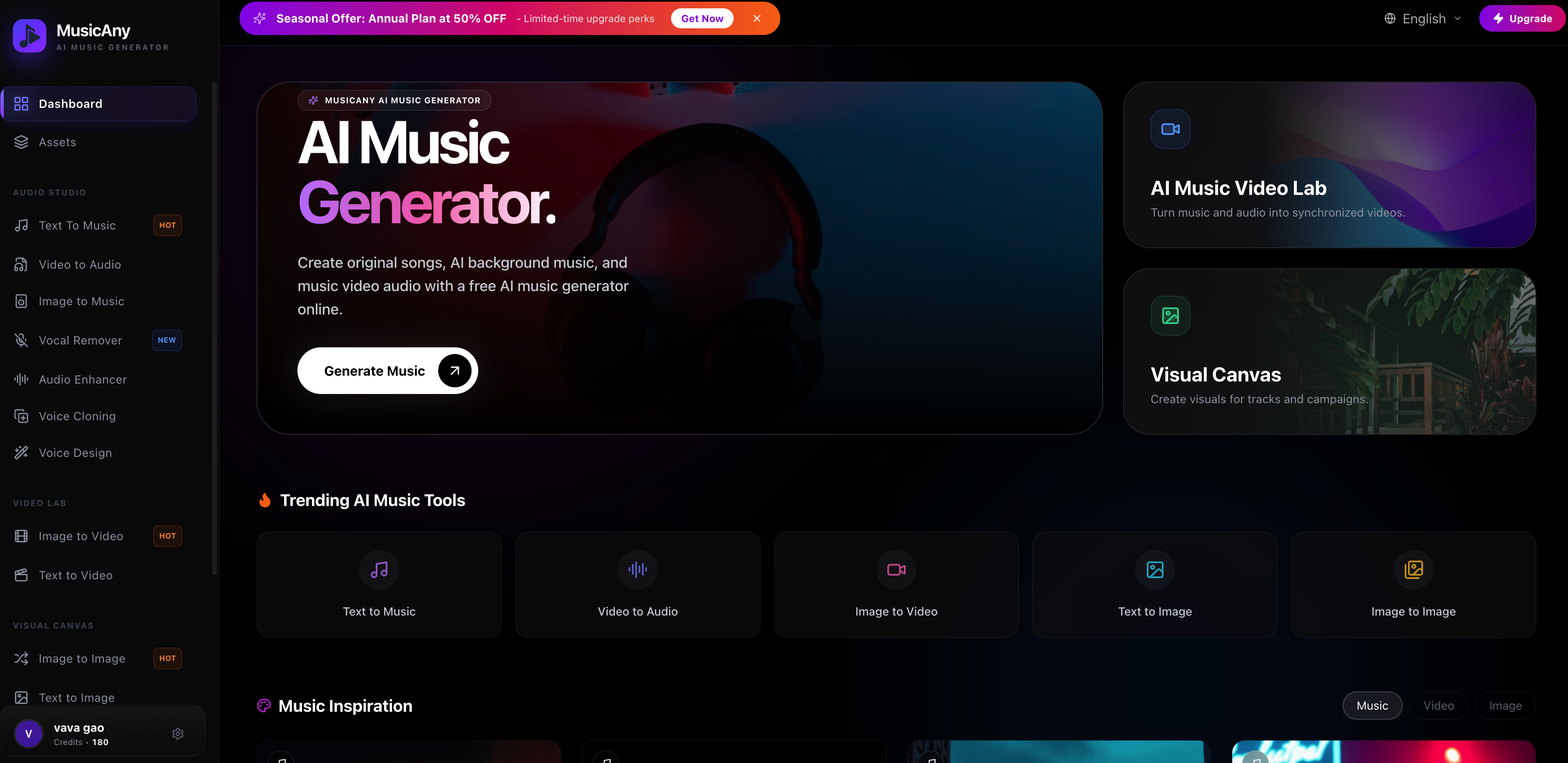
MusicAny homepage screenshot

Soundraw homepage screenshot
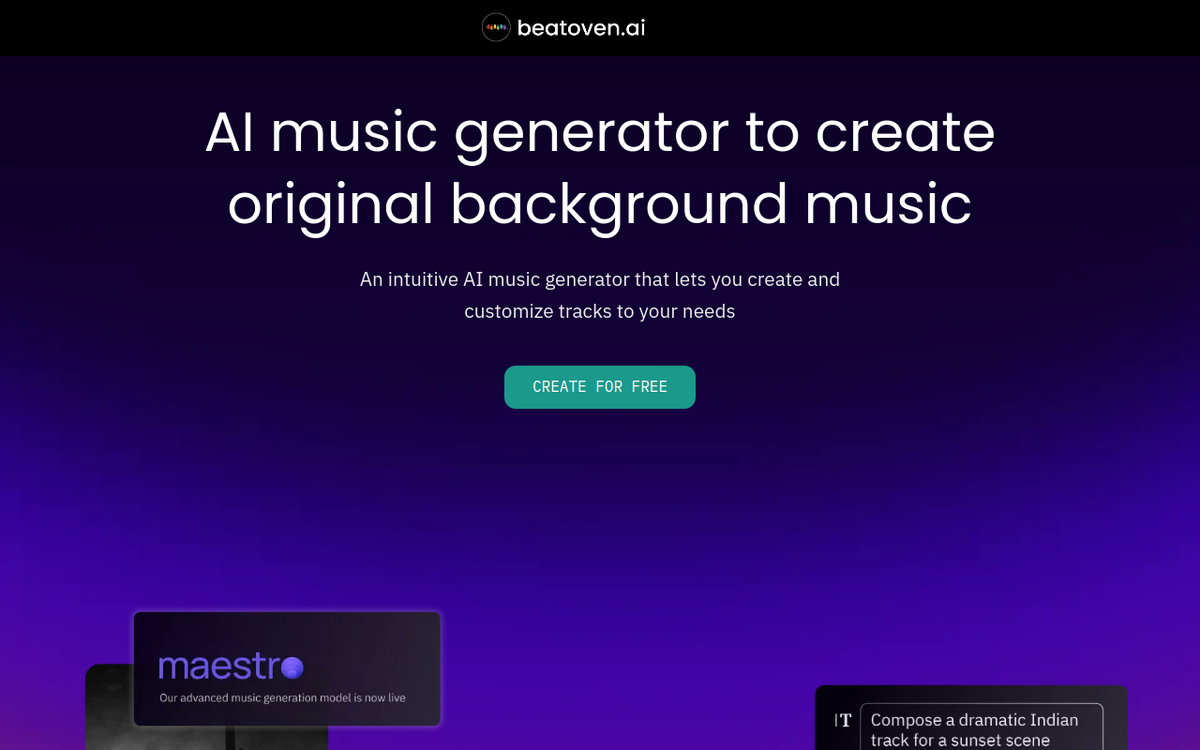
Beatoven.ai homepage screenshot
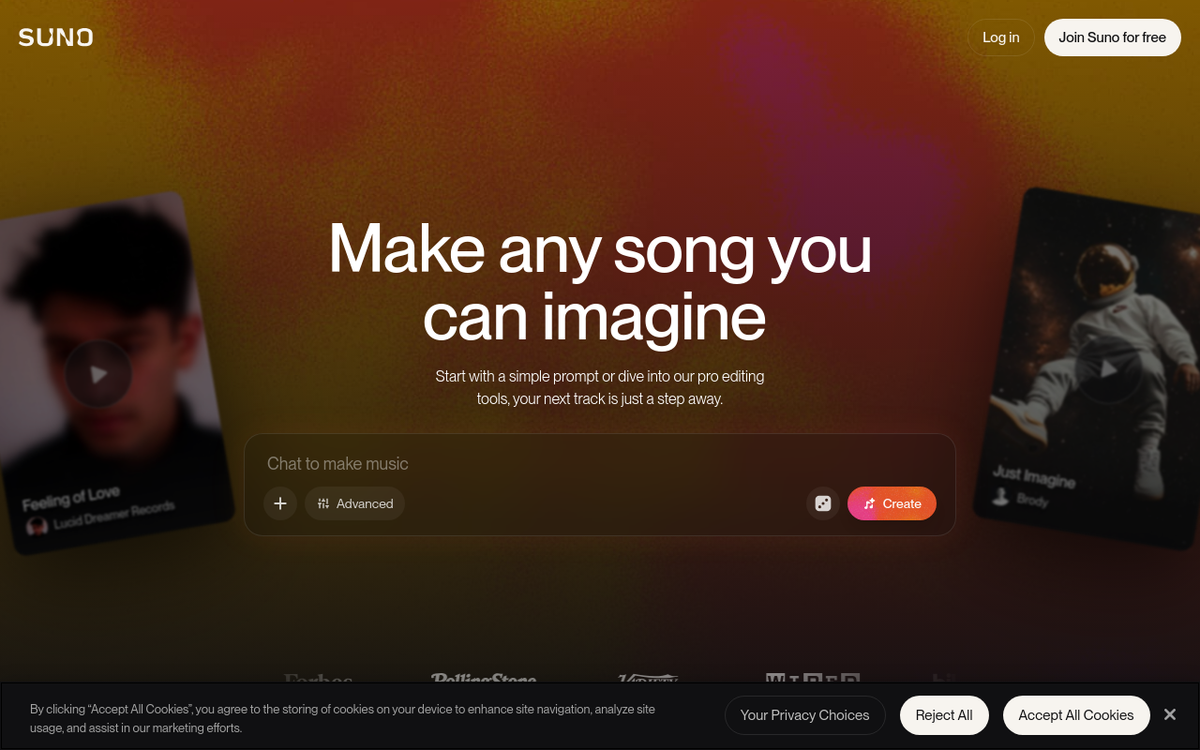
Suno homepage screenshot
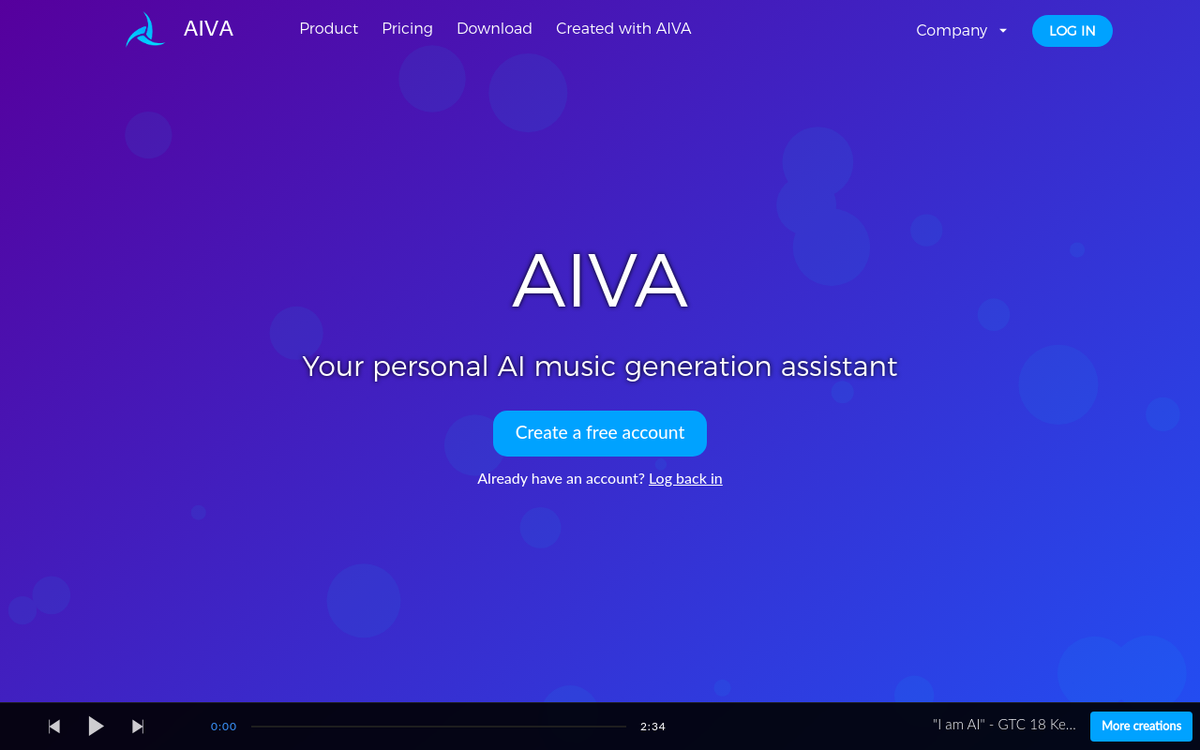
AIVA homepage screenshot
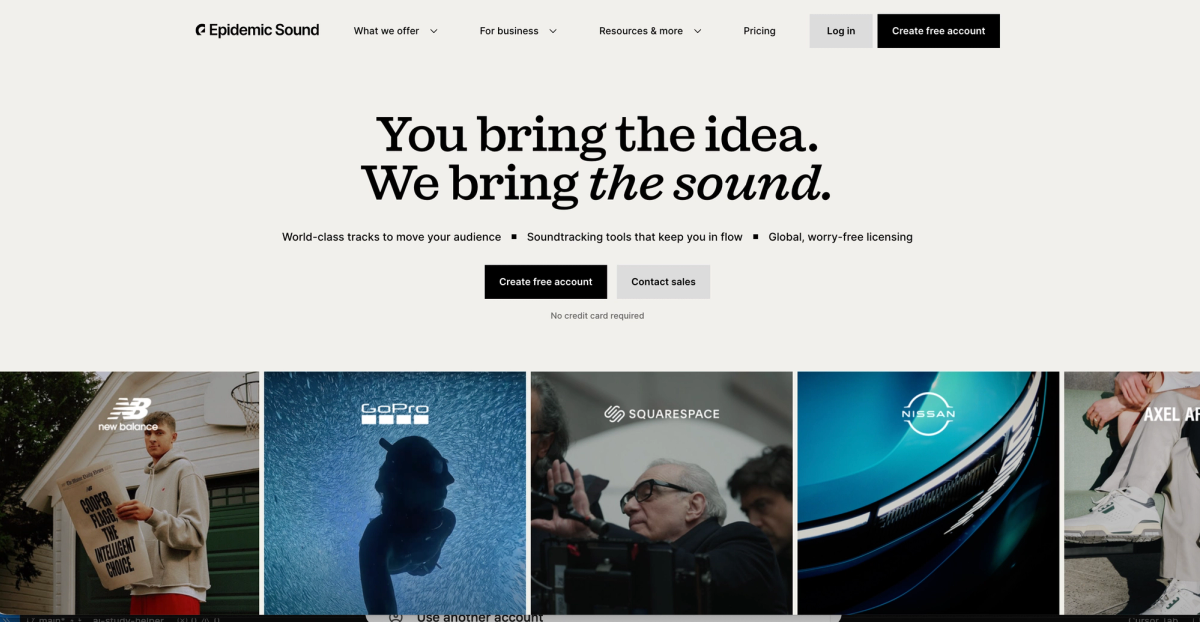
Epidemic Sound homepage screenshot

Uppbeat homepage screenshot
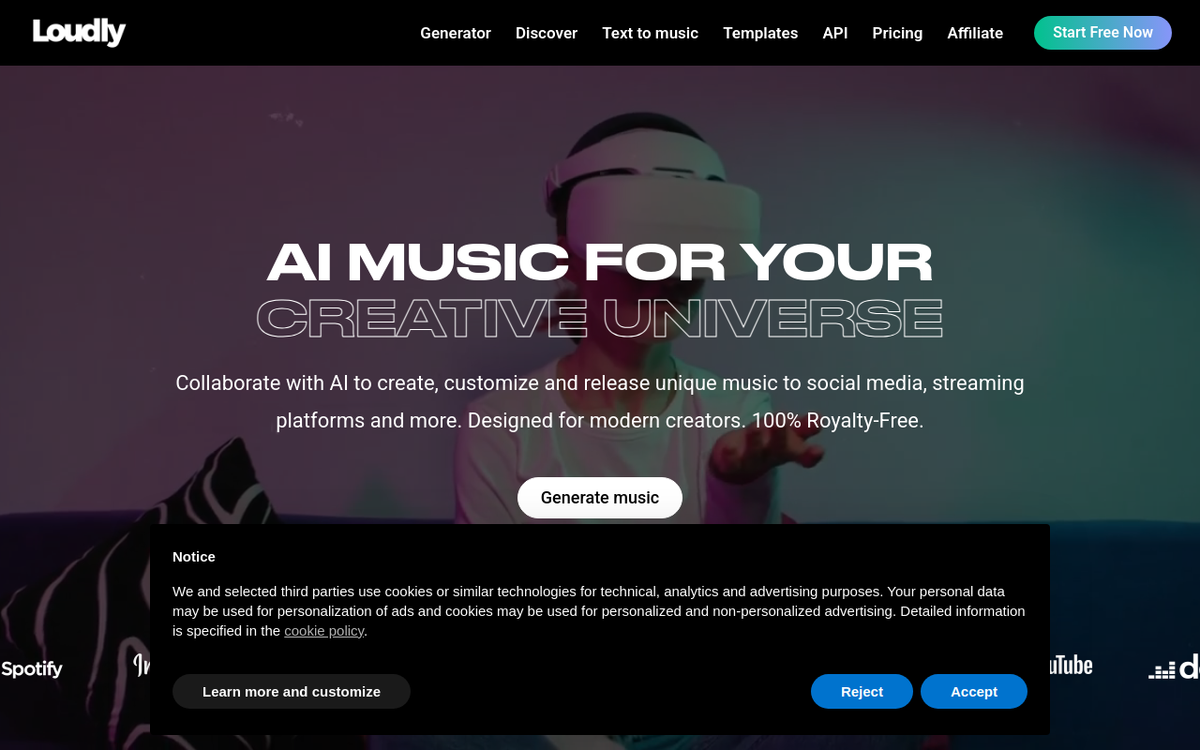
Loudly homepage screenshot
MusicAny Workflow
- Write one brief that describes the target length, mood, instruments, vocal need, and commercial use case.
- Generate a MusicAny draft, then compare any alternative against that same brief instead of using different prompts.
- Save the best prompt, exported file, and notes so future projects can reuse the winning direction.
Final Takeaway
When you compare music tools, run the same brief through each one and save the results side by side. Listen for prompt following, editability, export quality, and rights clarity. The winner is the tool that gives you usable music repeatedly, not the one that wins a single demo.